
INTRODUCTION
As society advances and material living standards continue to rise, the demand for reliable power across various sectors has grown significantly. From data centers and modern office complexes to polysilicon production plants and remote mining sites, the limitations of conventional low-voltage 400V AC diesel generator sets—such as substantial transmission losses, costly and complex cabling, and logistical constraints—have become increasingly apparent. In many cases, these systems struggle to meet practical operational needs, creating a compelling case for the adoption of high-voltage generator sets.
Whether serving as primary or standby power sources, diesel generator sets are now required to deliver higher capacities. Meeting large-scale power demands often involves operating single high-output units or connecting multiple sets in parallel to form a mini-grid. However, as the number of low-voltage generator sets increases, so does the need for dedicated power rooms, often located far from the actual load centers. This introduces challenges in transmission efficiency and system reliability in multi-set parallel operations. For applications where safety and reliability are critical, high-voltage generator sets present a clearly superior solution.
Advances in high-power diesel engines, large-capacity high-voltage alternators, and intelligent control systems have further enhanced the advantages of high-voltage diesel generator sets. Strong market demand continues to drive their adoption, establishing them as a leading solution for emergency power supply where high capacity, long-distance transmission, intelligent operation, and exceptional reliability are required.
High-voltage generator sets are widely employed across demanding industries and applications, including telecommunications, metallurgy, airports, mining sites, offshore and island installations, large-scale data centers, major urban complexes, black-start systems for medium to large power plants, and primary or backup power systems for advanced manufacturing facilities.
TECHNICAL PERFORMANCE
- High Voltage Rating: Typical voltage levels include 6.6kV and 10.5kV for the domestic market, and 6.6kV or 13.8kV for 60Hz markets.
- Large Single-Unit Capacity: Each generator generally exceeds 1000kW, enabling the parallel operation of multiple units—supporting up to 256 units in a single system.
- Lower Output Current: Reduces line losses and enables efficient long-distance power transmission and distribution.
- Flexible Load Distribution: Can directly supply high-voltage loads or power low-voltage loads through step-down transformers.
- Advanced Automation: Integrates protection, measurement, remote control, telemetry, and signaling functions to deliver comprehensive electrical system automation, with real-time protection and alarm signals transmitted to the control center.
CUSTOMIZED SOLUTIONS
- Equipped with large-capacity underground fuel tanks to support the long-term continuous operation of each unit.
- Configured with a range of power distribution cabinets, including incoming/outgoing feeder cabinets, potential transformer (PT) cabinets, and grounding resistor cabinets.
- Remote monitoring and operation system for centralized control and management.
- The generator room structure can be designed flexibly according to on-site layout and operational requirements.
- Containerized or canopy-style enclosures can be customized to suit the application environment.
- Compliant with international standards such as BS EN 60034, BS 5000, VDE 0530, NEMA MG 1-32, IEC/EN 60034, CSA C22.2-100, and AS 1359.
- High-voltage transmission reduces voltage drop and overall system costs.
- Can directly supply high-voltage loads, with minimal parallel devices required, resulting in simplified system architecture, fewer failure points, and ease of operation.
- Large capacity with long-distance supply capability, centralized generator room layout, and high reliability and safety performance.
- Available voltage grades: 6 kV, 6.3 kV, 6.6 kV, 10 kV, 10.5 kV, and 11 kV.
OUR ADVANTAGES
- All generator sets are engineered using professional fluid dynamics software for simulation and analysis during the design phase.
- The cooling systems of all gensets are designed with a standard ambient temperature reference of 50°C.
- Each unit is equipped with engines and alternators sourced from internationally renowned manufacturers.
- A high degree of customization is available, allowing complete adaptation to meet specific user requirements
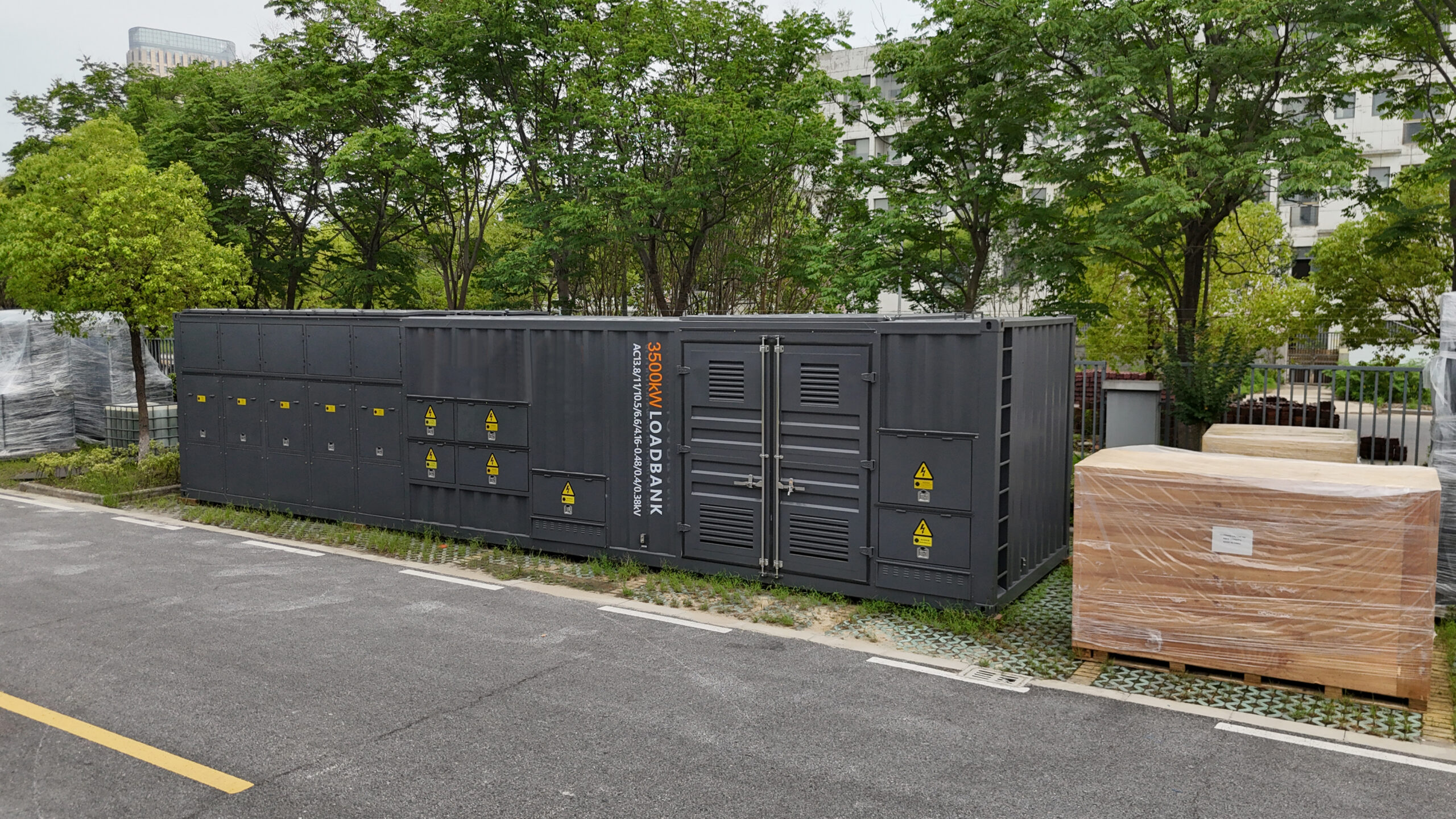
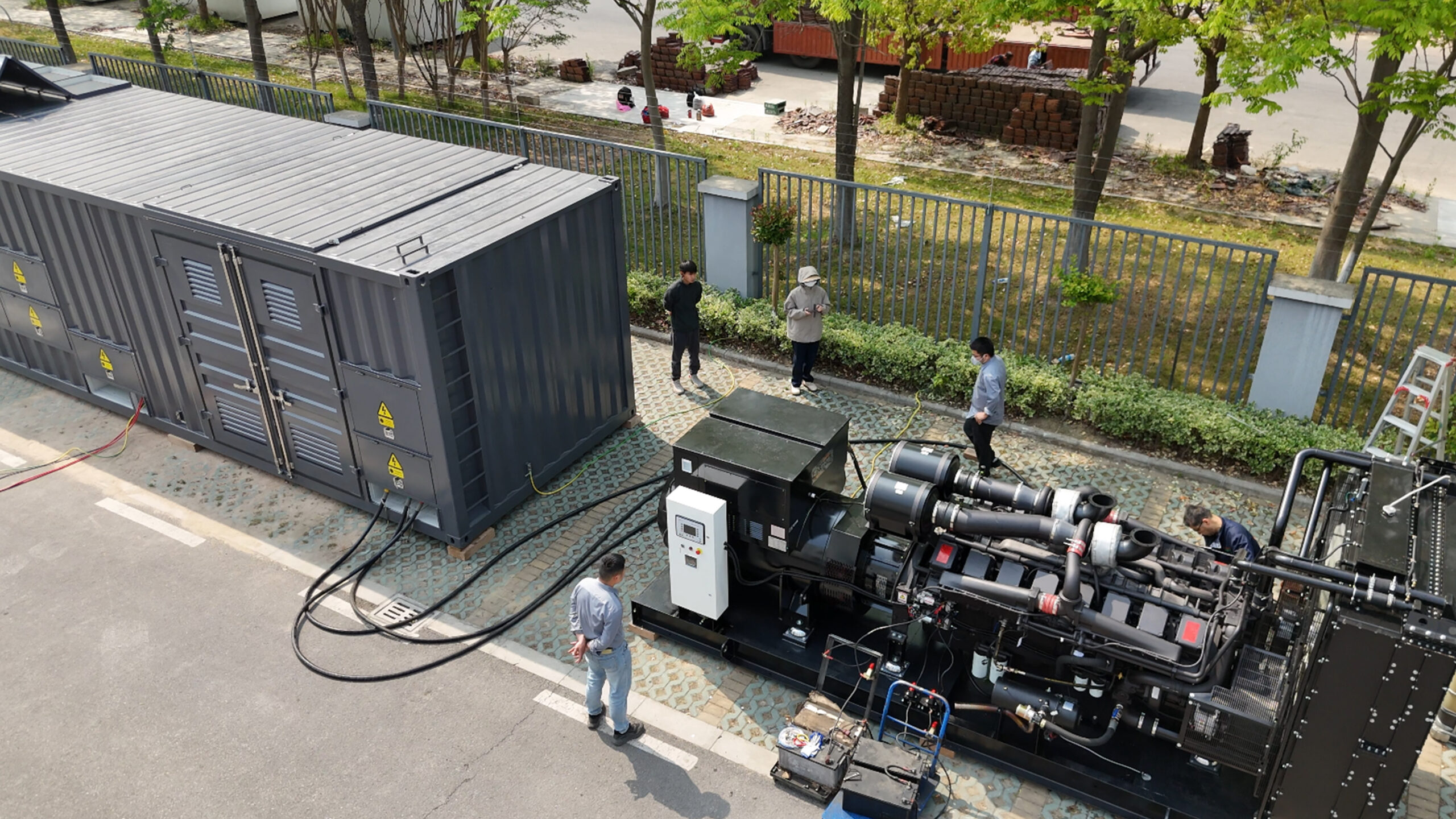
-scaled.png)